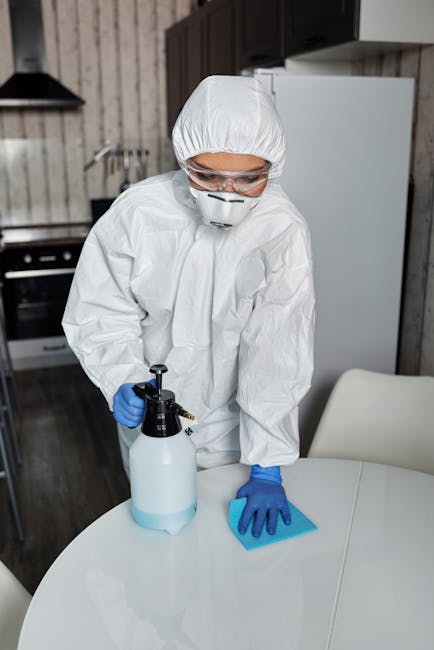
Edgware High Street Deep Cleaning Guide for Landlords
If you manage rental property near Edgware High Street, you already know the awkward bit: a place can look "fine" at first glance and still fail the kind of inspection that matters. Smudged skirting boards, greasy extractor fans, tired carpets, limescale in the bathroom, a whiff of old cooking in the kitchen... all the little things add up fast. This Edgware High Street deep cleaning guide for landlords is here to help you get on top of that before it becomes a rent-delay, a complaint, or a last-minute scramble between tenancies.
Truth be told, good landlord cleaning is not just about making a flat sparkle for photos. It is about protecting the property, reducing void periods, and setting the next tenancy off on the right foot. Below, you will find a practical walkthrough of what deep cleaning should include, when to book it, what to check yourself, and where specialist help can make life much easier.
Table of Contents
- Why deep cleaning matters for landlords
- How the process works in practice
- Key benefits and practical advantages
- Who this guide is for and when it makes sense
- Step-by-step guidance
- Expert tips for better results
- Common mistakes to avoid
- Tools, resources and recommendations
- Law, compliance, standards, and best practice
- Options, methods, and comparison table
- Case study or real-world example
- Practical checklist
- Conclusion
- Frequently asked questions
Why Edgware High Street deep cleaning guide for landlords Matters
Let's face it: tenants judge a property in seconds. The first walk-through is often enough to shape whether they feel respected, comfortable, and ready to move in. A properly deep-cleaned property near Edgware High Street does more than look nice. It signals care. It reduces friction. It helps landlords start the tenancy cleanly, literally and figuratively.
Edgware High Street has a steady mix of homes, flats, and converted spaces, which means rental properties often see frequent turnover. That turnover is exactly where dirt hides. Behind appliances, in grout lines, in carpet fibres, and along door frames where everyday cleaning rarely reaches. A standard wipe-down is rarely enough after a long tenancy, especially if the previous occupant cooked often, kept pets, or simply lived a busy life, as people do.
For landlords, the biggest risk is not just visible grime. It is the hidden stuff that causes repeat issues: lingering odours, allergens, worn surfaces that look uncared for, and small hygiene problems that can become bigger ones. If you are preparing a property for a new tenant, a deep clean can be the difference between "acceptable" and "properly ready".
For more detail on what a thorough clean can cover, it can help to review the broader approach on deep cleaning and related specialist services such as end of tenancy cleaning when a tenancy is changing hands.
How Edgware High Street deep cleaning guide for landlords Works
A landlord deep clean is a room-by-room, top-to-bottom process. The aim is to remove built-up dirt that regular domestic cleaning leaves behind. In practical terms, that means working from high surfaces down to low ones, so dust and debris do not get redistributed onto areas already cleaned. Simple, but easy to get wrong in a hurry.
Most successful deep cleans follow a sequence:
- Initial inspection. Walk the property and note problem areas, stains, odours, damaged surfaces, and neglected corners.
- Declutter and clear access. Move loose items, remove rubbish, and make sure the team can reach around appliances, furniture, and fittings.
- Kitchen treatment. Degrease, descale, clean inside and outside appliances, and tackle high-touch areas.
- Bathroom sanitation. Address limescale, soap residue, mould-prone areas, taps, tiles, and seals.
- Floor and fabric care. Vacuum, mop, and treat carpets, rugs, sofas, and upholstered items where needed.
- Detail cleaning. Skirting boards, sockets, switches, doors, frames, radiators, and handles.
- Final inspection. Check for missed marks, odours, and touchpoints before sign-off.
The exact method depends on the property. A compact studio on the High Street may need heavy kitchen and carpet attention, while a family flat might need more time on bathrooms, hallway flooring, and soft furnishings. Different jobs, different headaches.
If the property has just had works done, an after builders cleaning approach may be more suitable first, because fine dust settles everywhere and behaves a bit like it has personal grievances.
Key Benefits and Practical Advantages
A good deep clean is not a vanity project. It is an operational decision. Done well, it can save time, protect assets, and make managing the property less stressful.
- Faster tenant handovers. Clean properties are easier to market, inspect, and re-let.
- Better first impressions. New tenants notice hygiene fast, even if they do not say it out loud.
- Reduced wear visibility. Clean surfaces make a property look maintained, not neglected.
- Improved odour control. Kitchens, carpets, and soft furnishings often hold the smell of previous occupancy.
- Less dispute risk. A documented deep clean can reduce arguments about condition at move-in.
- Improved tenant satisfaction. People settle better in a property that feels fresh from day one.
There is also a practical financial side. Small maintenance issues are easier to spot after deep cleaning. A cracked seal, a slow leak stain, or a hidden mould patch can be noticed early. That matters. Early fixes are usually simpler than post-complaint fixes, and usually cheaper too.
For landlords who prefer outsourcing, a trusted cleaning company can coordinate multiple tasks in one visit, which is often less disruptive than booking several separate trades or trying to patch everything together yourself.
Who This Is For and When It Makes Sense
This guide is for landlords, letting agents, and property managers looking after residential lets around Edgware High Street and nearby streets. It is especially useful if you handle:
- between-tenancy refreshes
- periodic maintenance cleans
- pre-marketing property preparation
- post-renovation or post-repair cleans
- properties with shared living areas or high tenant turnover
It also makes sense when the property has been occupied for a long time, when tenants have smoked indoors, when pets have lived there, or when cooking residues have built up in the kitchen. You know the sort of thing: the place looks tidy enough until sunlight hits the oven door, and then... well, the truth comes out.
If you manage larger rental portfolios, you may also want a more routine approach with one-off cleaning for occasional refreshes and domestic cleaning support for ongoing upkeep between key tenant events.
Typical trigger points
- the day a tenancy ends
- before new photos or viewings
- after repairs, decorating, or improvements
- following a complaint about condition or odour
- before a furnished property is re-let
In our experience, the best time to deep clean is before the property is empty for too long. Dust settles quickly, and an empty flat can somehow look worse after only a few days. Funny how that happens.
Step-by-Step Guidance
If you want a sensible, landlord-friendly process, start here. This is the part that keeps things structured rather than chaotic.
1. Inspect the property with a landlord's eye
Walk each room slowly. Look for grease, stains, scale, fingerprints, dust in corners, and marks on doors or walls. Check the tops of cupboards, behind bins, under sinks, around taps, and along window ledges. These are the places people skip when cleaning in a rush.
2. Prioritise the high-impact areas
The kitchen and bathroom often decide whether a property feels genuinely clean. Start with the oven, hob, extractor, sinks, taps, tiles, toilet area, shower screen, and grout. If those zones are right, the whole place tends to feel better. If they are not, tenants notice immediately.
For baked-on grease and heavy food residue, specialist oven cleaning can make a huge difference. Likewise, if carpets carry odour or traffic marks, consider carpet cleaning rather than relying on vacuuming alone.
3. Deal with fabrics and soft surfaces
Upholstery, curtains, mattresses, rugs, and sofas can trap dust and smells. If the property is furnished, soft furnishings deserve attention, not a quick brush-over. Landlords often underestimate this bit. Then again, soft surfaces are easy to ignore until you sit down and the smell tells on you.
Relevant support such as upholstery cleaning, sofa cleaning, and rug cleaning can be useful where fabrics are part of the let.
4. Tackle hard floors properly
Laminate, tile, vinyl, and stone all need different treatment. A hard floor that looks clean may still feel tacky or dull if residue has been left behind. This is where a methodical clean matters more than a fast mop-and-go. If the flooring is a big feature in the property, hard floor cleaning is worth considering.
5. Finish with detail work
Handle the little things last: light switches, sockets, skirting boards, door handles, radiators, bannisters, and window tracks. These are the details that make a property feel cared for. They also reveal whether a clean was rushed.
6. Do a final walkthrough in daylight if possible
Morning light or late-afternoon daylight shows what indoor lighting hides. You will spot streaks on glass, dust on high shelves, and smears on chrome. It is a small thing, but it catches mistakes before the next tenant does. And yes, the next tenant usually will.
Expert Tips for Better Results
The difference between an adequate clean and a strong landlord standard usually comes down to process. A few habits make all the difference.
- Clean top to bottom. Dust falls. Use gravity, not fight it.
- Use the right product for the surface. Harsh chemicals on delicate finishes can leave damage or haze.
- Let dwell time do the work. Degreasers and descalers need a minute or two, not instant wiping.
- Use microfiber cloths. They trap fine dust better than old rags that just move it around.
- Open windows where safe. Fresh air helps with odours and speeds drying.
- Photograph before and after. This is useful for records, disputes, and general peace of mind.
One quiet but useful tip: if a property has had consistent tenant complaints about cooking smells, do not just clean the visible surfaces. Check hidden grease traps, the inside of extractor housings, and the area behind freestanding appliances. That is where the smell often lingers. Not glamorous, but very real.
If you need a reliable hand, a team of cleaners with experience in landlord turnaround work will usually be faster and more consistent than a general tidy-up. There is a difference, and it shows.
Common Mistakes to Avoid
Most landlord cleaning mistakes are predictable. That is the good news. You can avoid them once you know what they are.
- Assuming a quick clean is enough. It usually is not after a long tenancy.
- Ignoring odour sources. Smells often come from fabrics, bins, drains, or hidden grease.
- Forgetting touchpoints. Switches, handles, and rails are easy to miss and impossible to unsee once noticed.
- Using one method for every floor. Wood, vinyl, carpet, and tile all need different treatment.
- Leaving window cleaning until the end and then skipping it. A bright room with dirty glass still feels unfinished.
- Not checking inside appliances. Ovens, fridges, and microwaves can hold a lot of tenant residue.
Another one that crops up more than it should: relying on appearance alone. A place can look fine at one angle and still fail a proper inspection. Walk it again. Slow down. A quick second look catches more than you think.
Tools, Resources and Recommendations
You do not need every tool under the sun, but the right kit helps. If you are doing some of the work yourself before bringing in specialists, a simple setup is best.
| Area | Useful tools or materials | Why it helps |
|---|---|---|
| Kitchens | Degreaser, non-scratch pads, cloths, oven-safe cleaner | Breaks down grease and food residue without scratching surfaces |
| Bathrooms | Descaler, grout brush, limescale remover, gloves | Handles soap scum, scale, and moisture build-up |
| Floors | Vacuum, mop, appropriate floor solution | Prevents residue and protects the finish |
| Soft furnishings | Fabric-safe cleaner, upholstery attachments | Freshens fibres and lifts embedded dirt |
| Detail areas | Microfiber cloths, small brushes, step stool | Useful for vents, ledges, and hard-to-reach spots |
For many landlords, the best resource is not a particular gadget but a dependable service plan. If your property has mixed surfaces and a few stubborn problem areas, it can be more efficient to use a full cleaning company rather than juggling separate calls for each room.
You may also want to look at related support if the property has broader maintenance needs, such as window cleaning for brighter interiors or office cleaning if you also manage commercial units nearby. Different settings, same principle: a clean space changes how people feel when they walk in.
Law, Compliance, Standards, or Best Practice
Landlord cleaning is not usually about one dramatic legal rule. It is more about meeting sensible expectations, maintaining habitability, and keeping accurate records. In UK property management, good practice matters a lot. A property should be presented in a clean, safe, and usable condition at the start of a tenancy, and cleanliness can become relevant again if there is a dispute about deposits, condition reports, or maintenance obligations.
It is wise to be careful and consistent rather than make bold claims. Keep check-in and check-out photos, retain invoices for professional cleaning where appropriate, and make sure any products used are suitable for the surfaces in the property. If there are health and safety concerns such as mould, pests, or contaminated waste, do not treat those as ordinary cleaning issues. They need a more careful response.
For landlords using external cleaners, it also helps to work with a provider that is clear about its policies, safety practices, and payment processes. The company's pages on health and safety, insurance and safety, payment and security, and terms and conditions can be useful starting points when you are deciding who to trust with a property.
Best practice, in plain English, is this: clean thoroughly, document it properly, and do not cut corners where hygiene or safety is concerned. That's the short version. The long version is still simpler than dealing with a complaint later.
Options, Methods, or Comparison Table
Landlords around Edgware High Street usually choose one of three routes. Each has a place, depending on budget, timing, and the condition of the property.
| Method | Best for | Pros | Limits |
|---|---|---|---|
| DIY deep clean | Small properties with light wear | Low upfront cost, full control | Time-consuming, easy to miss hidden dirt |
| Targeted specialist cleaning | Problem areas like ovens, carpets, or upholstery | Strong results where they matter most | May still need general cleaning elsewhere |
| Full professional deep clean | End-of-tenancy refreshes and high-standard lets | Consistent finish, quicker turnaround | Higher upfront spend than DIY |
For many landlords, the sweet spot is a combination approach. You might do the light prep yourself, then bring in specialist help for ovens, floors, or fabrics. That keeps costs sensible without sacrificing the finish. A practical compromise, really.
If you are comparing services, a specialist oven cleaner or carpet cleaner can be the difference between a decent result and one that genuinely resets the property for the next occupant.
Case Study or Real-World Example
Imagine a one-bedroom flat off Edgware High Street after a long occupancy. On inspection, the property looks broadly tidy. Nothing dramatic. But the kitchen has a faint fried-food smell, the bathroom glass is cloudy with scale, and the cream carpet in the living room shows a traffic path from the sofa to the window. The windows are streaked, and the skirting boards have gathered dust in the corners.
A landlord could easily miss the scale of the job at first glance. This happens all the time. But once the deep clean starts, the priority list becomes clear:
- oven and extractor degreasing
- bathroom descaling and sanitising
- carpet treatment in the high-traffic area
- window and frame cleaning
- detailed wipe-down of doors, handles, and skirting
After that, the flat feels different. Brighter. Less tired. More rentable. Not magically brand new, no, but clean enough that a prospective tenant stops worrying about what they cannot see. That matters more than people think.
In that kind of job, specialist support like carpet cleaning, window cleaning, and oven cleaning can save a lot of time and produce a noticeably better finish than general wiping alone.
Practical Checklist
Use this before handover or viewings. Short, simple, effective.
- All rubbish removed from cupboards, bins, and outside areas
- Kitchen appliances cleaned inside and out
- Extractor fan, hob, sink, and taps degreased and descaled
- Bathroom tiles, seals, glass, toilet, and fittings cleaned thoroughly
- Carpets vacuumed and stain-checked
- Rugs, sofas, and upholstery treated where needed
- Hard floors cleaned with the correct method
- Skirting boards, doors, frames, and handles wiped down
- Windows, sills, and tracks cleaned
- Light switches and sockets checked for marks
- Odours investigated, not just masked
- Final walkthrough completed in good light
Expert summary: landlords get the best results when they treat deep cleaning as part of tenancy management, not as an emergency fix. A measured process, a careful inspection, and the right specialist help where needed will usually outperform a rushed all-in-one tidy-up. Simple as that.
Conclusion
A strong landlord clean around Edgware High Street is not about perfection for its own sake. It is about presenting a property properly, protecting your investment, and making the next occupancy easier from day one. The right deep clean takes in the obvious mess, yes, but also the hidden grime, the smells, the small details, and the bits people often overlook.
If you plan it well, document it properly, and bring in specialist help where it adds value, you will usually save time and reduce stress. And honestly, that is often worth more than the cleaning itself. A fresh start feels better for everyone involved.
Get a free quote today and see how much you can save.
When a property is properly reset, it does not just look cleaner. It feels ready. That's the part tenants notice first, even if they can't quite put their finger on why.
Frequently Asked Questions
What does a landlord deep clean usually include?
It usually includes kitchens, bathrooms, floors, skirting boards, doors, windows, and detailed attention to marks, grease, limescale, and odours. If the property is furnished, soft furnishings may also need attention.
How often should landlords deep clean a rental property?
Most landlords do it between tenancies, but some also schedule it after repairs, before new photos, or when a property has been occupied for a long time. The condition of the property should guide the timing.
Is professional cleaning better than doing it myself?
For light maintenance, DIY can be fine. For end-of-tenancy turnovers or properties with stubborn build-up, professional cleaning often gives a faster and more consistent result. It depends on how much time you have and how demanding the finish needs to be.
Do I need specialist oven cleaning for a rental?
If the oven has heavy grease, burnt-on food, or lingering smells, specialist oven cleaning is usually worth it. It is one of the most noticeable areas in a kitchen, so it tends to pay off quickly.
What is the difference between deep cleaning and end of tenancy cleaning?
Deep cleaning is the broader process of removing built-up dirt from the whole property. End of tenancy cleaning usually refers to a turnover clean at the end of a tenancy, often with a stronger focus on re-letting standards and detailed inspection readiness.
Can carpet cleaning help with landlord inspections?
Yes. Clean carpets can completely change the feel of a property, especially in hallways or living rooms. Stains and odours are often more visible than landlords expect, so carpet cleaning can make a major difference.
What should I check first after a tenant moves out?
Start with the kitchen, bathroom, floors, and any lingering odours. Then look at windows, surfaces, and hidden corners behind appliances or furniture. Those areas often reveal the real condition of the property.
How do I avoid damage during a deep clean?
Use the correct products for each surface, avoid over-wetting carpets or wood floors, and do not use abrasive pads on delicate finishes. When in doubt, test a small area first. That little pause can save a lot of hassle.
Are upholstered items worth cleaning in a rental property?
Yes, if they are part of the let and still in good condition. Sofas, chairs, and rugs can hold odours and dust, so upholstery cleaning is often worthwhile when you want the property to feel fresh rather than merely tidy.
What if the property has had building work done?
Then a post-renovation or after-builders approach is often the better starting point. Fine dust from building work spreads everywhere, and it needs a more detailed clean than routine maintenance would cover.
How can I keep cleaning records as a landlord?
Keep before-and-after photos, invoices, and any check-in or check-out notes. Clear records help if there is a dispute later and also make it easier to manage future tenancies consistently.
Which services are most useful for furnished rentals?
For furnished places, oven cleaning, carpet cleaning, upholstery cleaning, sofa cleaning, and window cleaning are often the most valuable add-ons. They tackle the items tenants notice first and remember longest.
What should I ask a cleaning provider before booking?
Ask what is included, how they handle different surfaces, whether they carry insurance, and what their cancellation or complaints process looks like. A good provider should explain this clearly and without fuss.
Can a deep clean help a property let faster?
Usually yes. A clean, fresh property photographs better, feels more inviting at viewings, and gives prospective tenants confidence that the place has been properly maintained. That confidence matters more than people admit.